Culture
What an "era" means in K-pop
By the pocabase team · · 4 min read
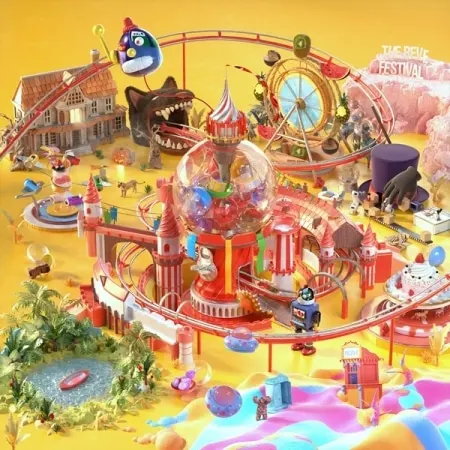
In conversations between fans, one phrase comes up again and again: "that was during such-and-such era". The word suggests centuries when it really means a few months, yet fans everywhere use it as is. And it says something precise. In K-pop, every comeback arrives with a complete world of its own, designed to be recognised at a glance, then replaced by the next. Understanding what an era is means understanding why stans talk about their group as a series of chapters, and why their collections end up organised the same way.
What exactly is an era
An era is the period surrounding a release: the announcement, the teasers and concept photos (the official visuals posted before release), the MV, the promotion week on music shows, then the few weeks or months during which the group lives with that record. It usually starts with the first visual posted and ends when the next comeback takes over. In between, everything the group shows the public carries the same signature.
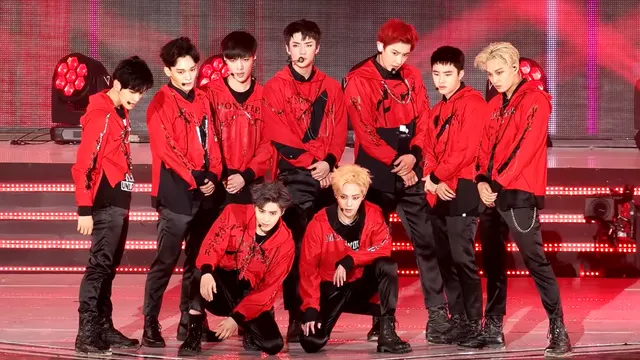
What sets an era apart from a plain release is coherence. A Western album might come with a cover and a handful of press photos; a K-pop era designs the title track and the b-sides, the imagery, the outfits, the MV sets, the typography and sometimes even a small storyline linking releases together as one whole. The result is recognisable in a second, and that is exactly the point.
What changes from one era to the next
From one comeback to the next, almost everything can move. The elements that define an era are always roughly the same, and it is how they combine that gives the moment its identity.
Key takeaways
- The concept: a colour palette, a theme (school, dark, summery, futuristic) and a recognisable photographic direction.
- The sound: a genre or texture that sometimes breaks sharply with the previous title track.
- The choreography: a point move (the signature move of the chorus), often copied by fans, that becomes the emblem of the period.
- The styling: hairstyles, hair colours and stage outfits, which fans remember as so many landmarks.
- The logo and typography: the album title, and sometimes the group's name itself, may be redrawn for a single release.
Why fans date everything by era
For a stan, the era is the most natural unit of time. Saying "last year" is vague; saying "the era when my bias had blue hair" or "back when they shot that MV in the desert" instantly brings back images, a song, a mood. Personal memories attach to it too: a first concert, a first order, the moment you went from casual fan to stan are almost always tied to a specific era.
This way of dividing time also helps long-time fans and newcomers talk to each other. Everyone has a favourite era, the one that brought them into the fandom or the one where their ult (the member who comes before all the others) was at their peak, and debates about a group's best concept are part of fandom culture. The word gives everyone a shared vocabulary to compare, remember and pass things on.
Reading an era in an album
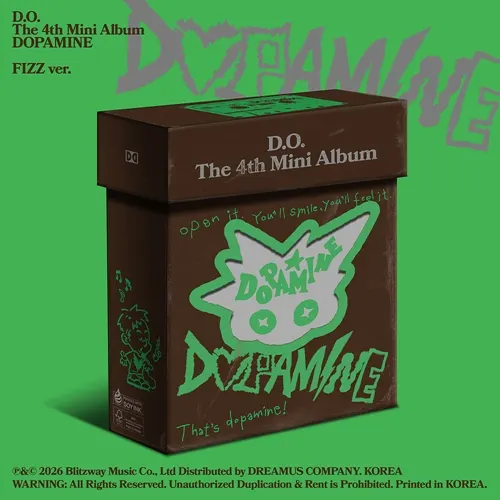
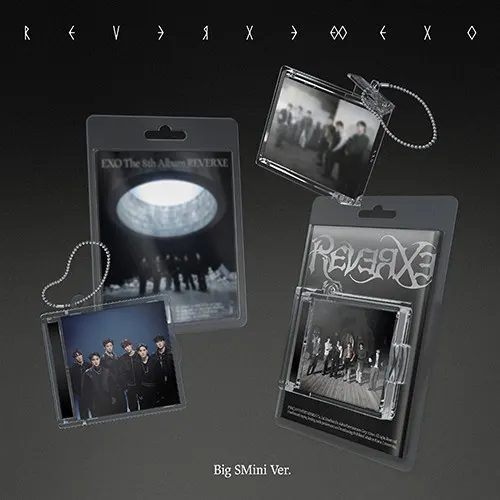
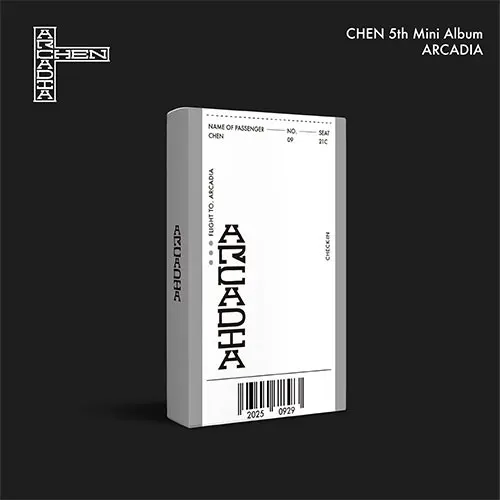
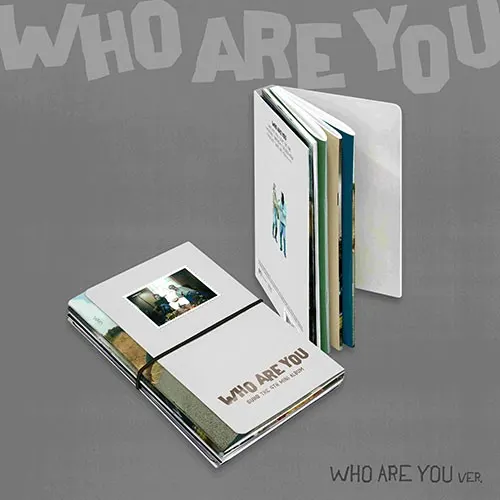
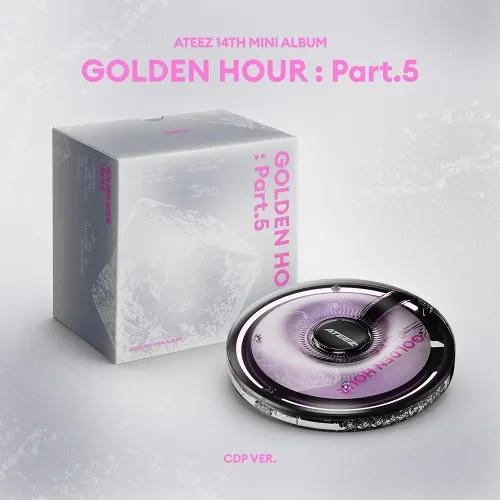
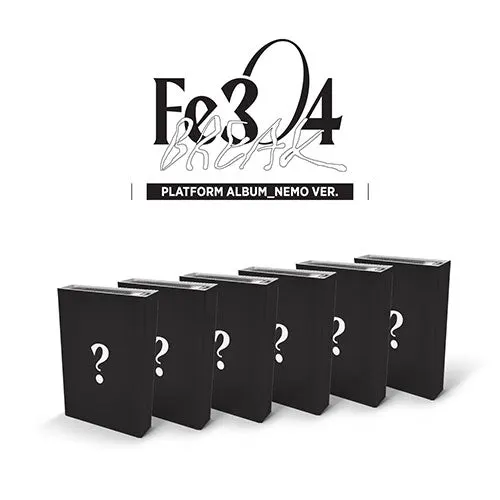
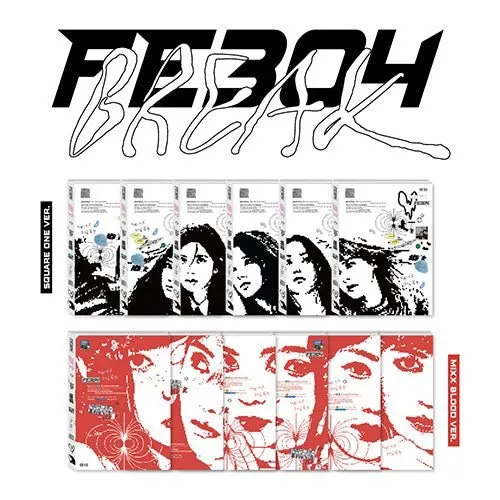
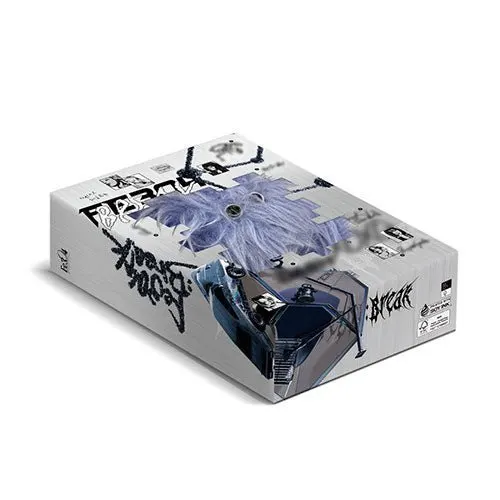
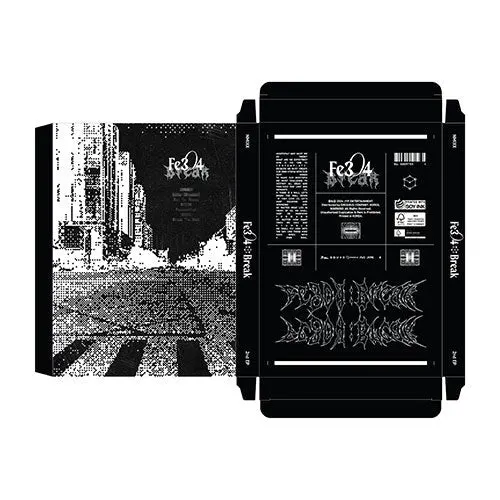
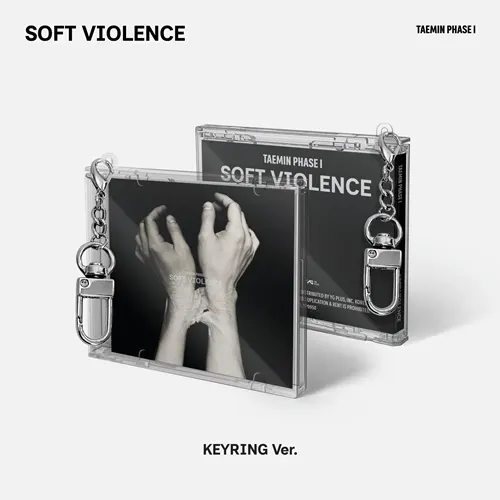
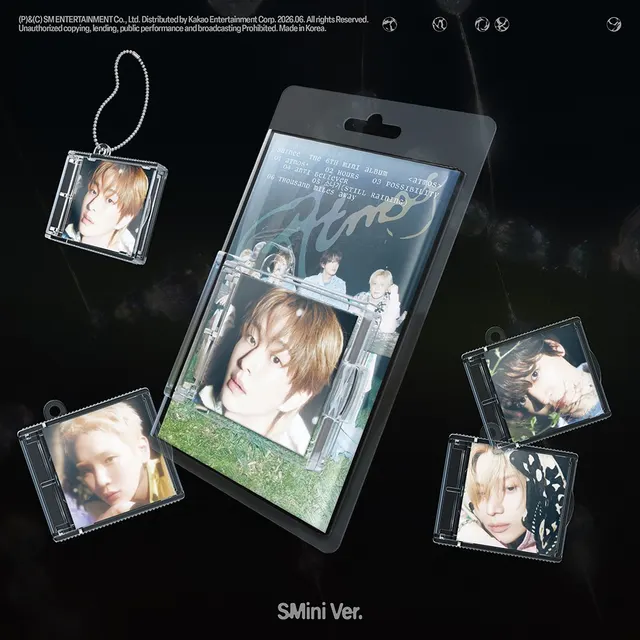
The physical album is the object that captures an era best. The cover, the box format, the photobook and its staging faithfully echo the concept of the moment: a fan can often identify the period from the spine alone. The different versions of the same album also tend to split the concept into several facets, a bright mood and a darker one for instance.
That is also why a repackage feels like an extension of the era rather than a new one. The visuals evolve and a few tracks are added, but the world stays recognisable. A new mini album, on the other hand, even when released shortly after, usually opens a separate chapter with its own identity.

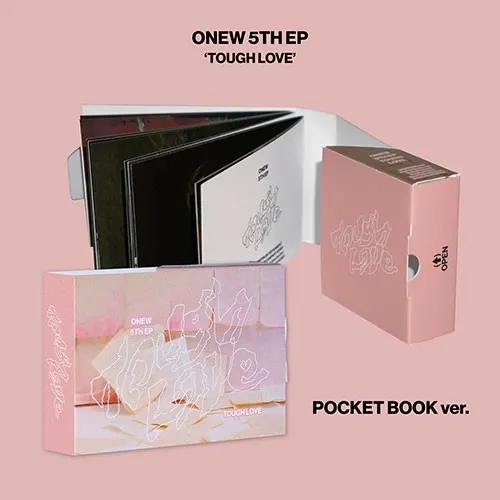
Pocas and MD: what an era leaves behind
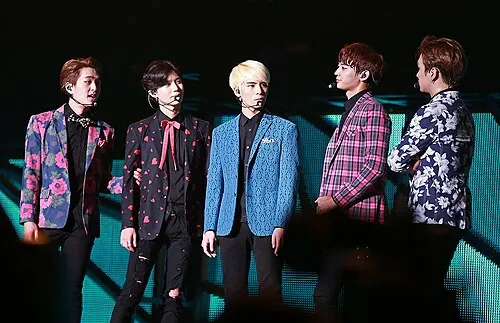
The photocards tucked into albums, pocas in fan speak, are the most personal trace of an era. They carry the hairstyles, outfits and lighting of the concept, so a single card is often enough to date a period. Pulling your bias (getting their card from a sealed album) feels special when it is the poca from your favourite era, and completing the OT7 or OT5 set (every member of the group) means gathering a period photograph, frozen at the moment the group wore that exact look.
MD, the official merch, follows the same logic. Items sold during a promotion, a tour or a pop-up reuse the logo, the colours and sometimes the mascots of the period, which makes them dated markers. A single group can leave behind very different series of objects from one era to the next, and that contrast is often what makes a collection feel alive.
Organising a collection by era
Many collectors end up sorting their shelves and binders by era rather than alphabetically or by price. An album, its pocas and the MD from the same period gathered in one place tell a complete moment in the group's story. It is easier to read, and also more enjoyable to show: you browse a discography the way you would leaf through a family photo album.
To find your way, it is often enough to start from the discography and ask, for each release, what world it carried. Album and group pages make it possible to rebuild that timeline, and to spot what is still missing for an era to be complete in your own collection.