Culture
K-pop generations, explained simply
By the pocabase team · · 4 min read
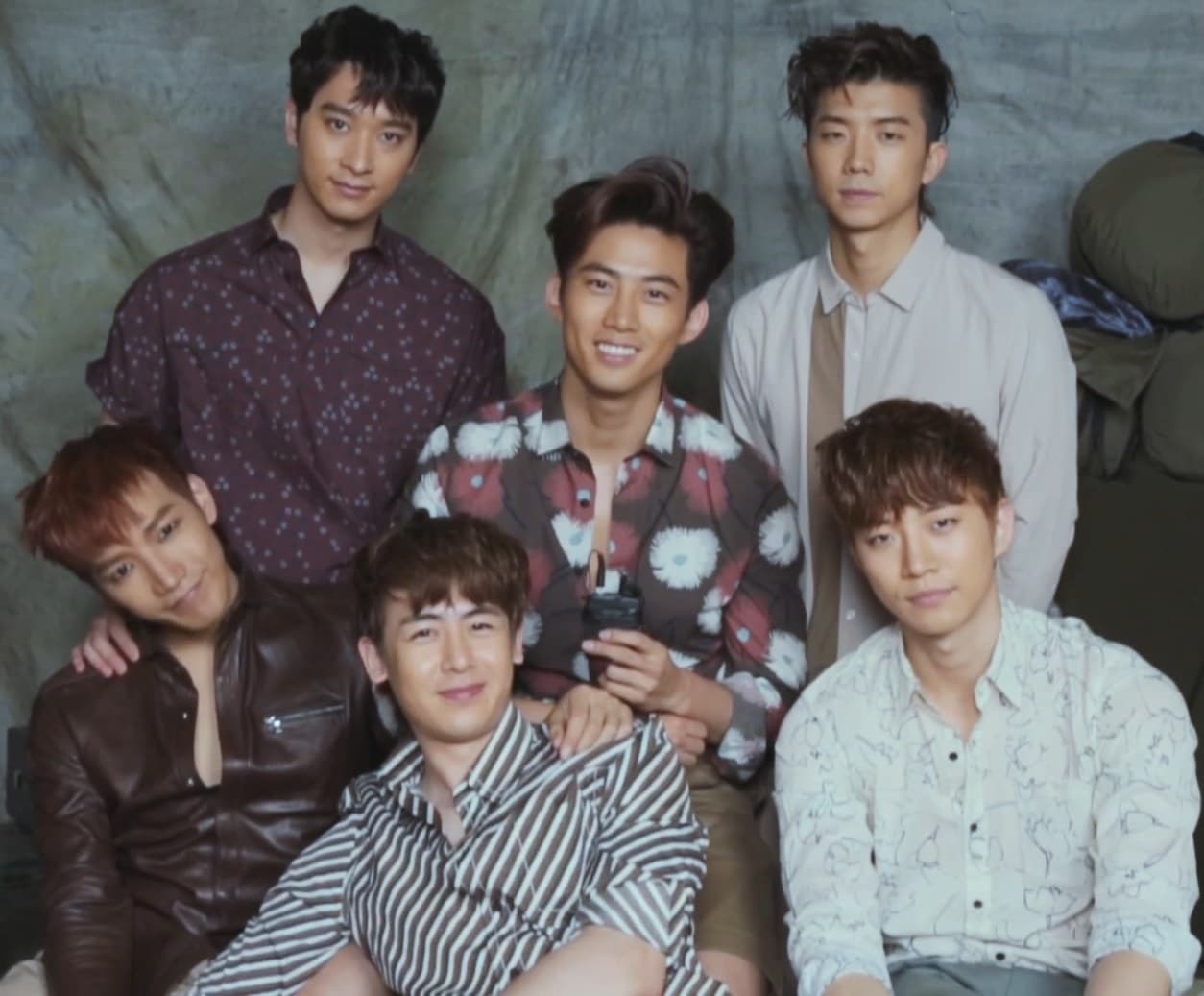
"A group from such-and-such generation": the phrase comes up in conversations between stans, in threads and analysis videos, often as if the whole fandom agreed on what it covers. That is not quite the case. Splitting K-pop into generations is a fan habit, useful for finding your way through an already long history, but its boundaries remain blurry and disputed. Rather than settle the matter, this article explains what the word tries to describe, and above all what actually changed, from one period to the next, in the way albums are released and bought.
What "generation" means
In K-pop, a generation groups together artists who made their debut at roughly the same time and grew up in the same context: the same music shows, the same media, the same ways of talking to fans. The term does not refer to a musical style or to an agency. Mostly, it says: these groups came up in the same landscape.
Fans number these generations one after another, and every new wave of debuts sooner or later gets its own number. It is a handy way to place a group without reciting its whole biography, a bit like naming a decade to place a film or a musical movement. Multi-stans (fans who follow several groups at once) use it a lot to compare.
Why the boundaries are debated
The disagreement starts as soon as a line has to be drawn. Should the debut date count, or the moment a group really broke through, with its first music show win? Does a group that debuted quietly and found success a few years later belong to the wave of its debut or to the wave of its fame? Depending on the criterion, the same artist can move from one box to another.
Other factors blur the lines further: sub-units, artists returning after a long hiatus (a break of several months or years), members who debut again in another group after a disband. Sources do not agree on exactly how many generations to count today either. It is better to read this split as a convention of conversation than as an official classification.

The album becomes an object
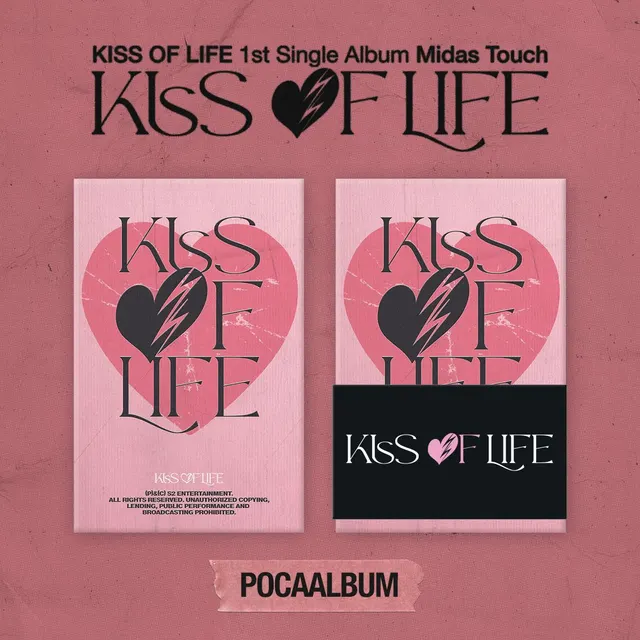
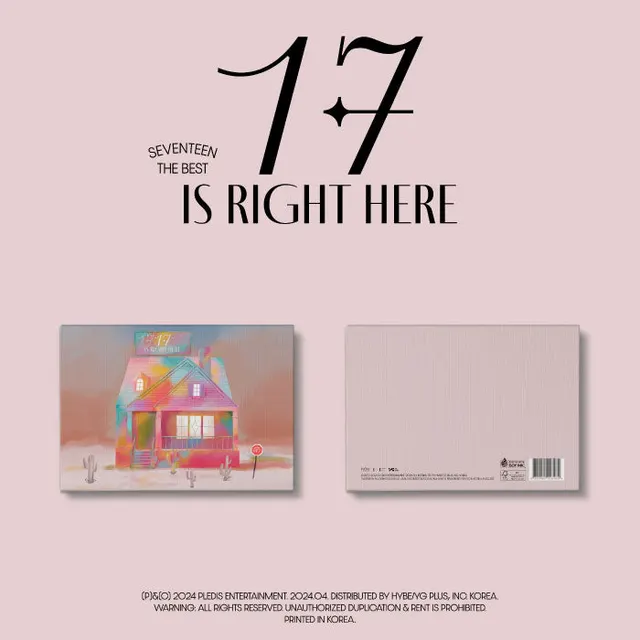
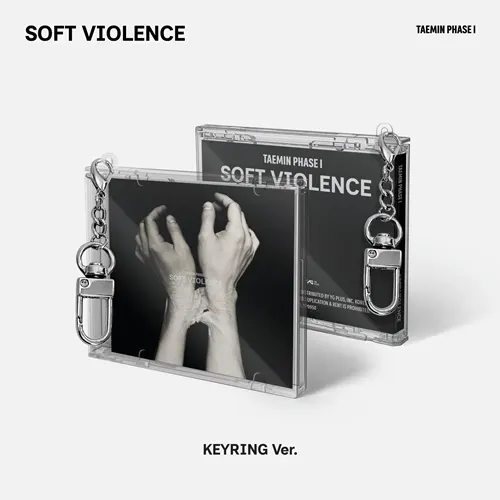
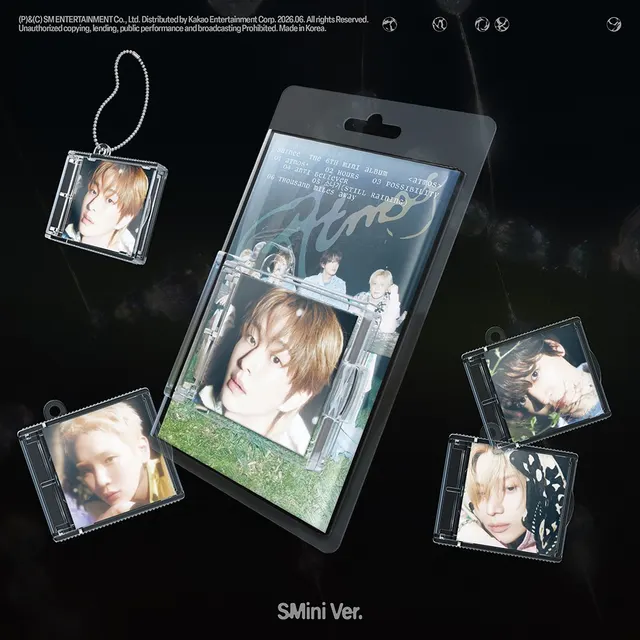
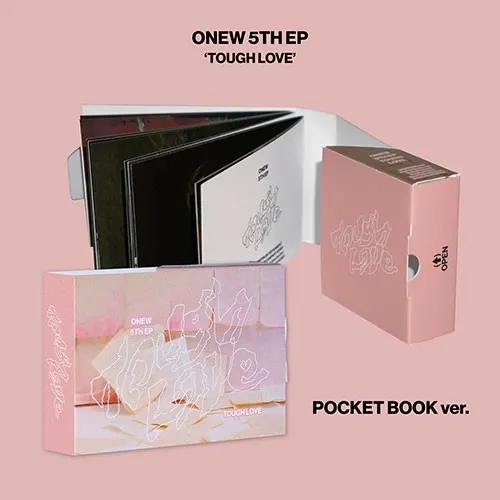
What separates the periods most clearly is not the music but the way it is sold. The earlier generations are often placed alongside albums close to a classic CD: a case, a booklet, a cover. Over time, the album turned into an object in its own right, with bigger boxes, thick photobooks and inclusions (everything tucked inside: cards, posters, stickers) to collect. The packaging itself became part of the concept, just like the concept photos or the MV.
That shift changed the role of the record. As listening moved to streaming platforms, the physical album became less a music format than a keepsake, something to display and a gesture of support. Fans buy an album for what it stands for as much as for what it holds, and many keep a sealed copy next to the one they open.
Versions and pocas take centre stage
Along with this transformation came several mechanisms that now define buying a K-pop album, and that the most recent generations found already in place at their debut.
Key takeaways
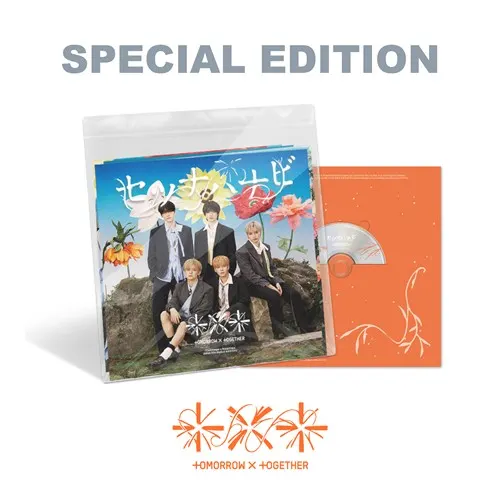
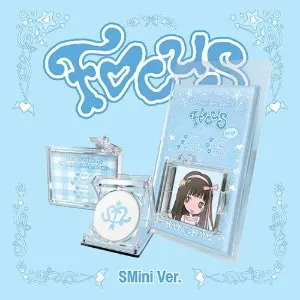
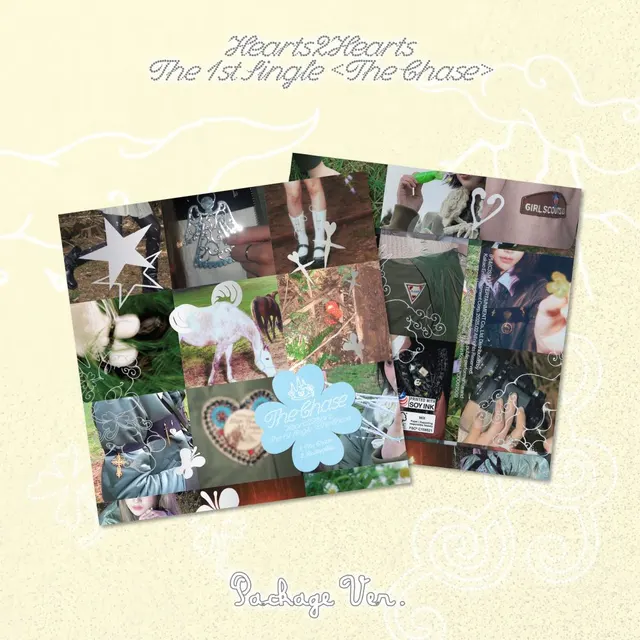
- Multiple versions of the same album, each with its own visuals and sometimes its own format.
- The randomly drawn poca: pulling your bias has become, for many fans, the main reason to open an album.
- Seller-specific POB and lucky draws (exclusive cards given away or drawn at random), which push fans to compare shops.
- Compact or digital editions, designed to cut packaging without giving up the pocas.

The role of platforms
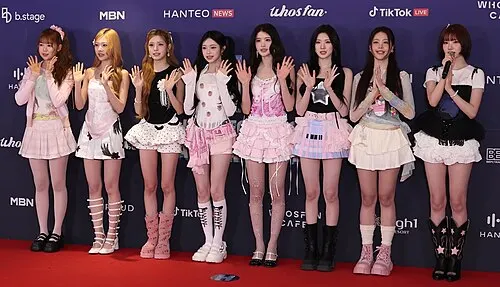
The link between a group and its fans has changed shape too. Older generations mostly went through television, official websites and forums. The more recent ones are often associated with dedicated platforms that mix artist messages and selcas, live streams, fan club membership and an official shop. Buying an album now sits inside a whole ecosystem, where fans also follow announcements, preorders and exclusive content in one place.
These platforms have also given rise to new album formats, where the content comes through an app rather than a disc. How they count in sales charts varies from case to case, as does the weight of streaming parties organised by fanbases, which regularly fuels debates about how to compare figures across very different eras.
A lens, not a ranking
Debates about generations sometimes turn into fan wars: which wave has the best groups, the best sales, the most all-kills (a song topping every Korean chart at the same time). Those comparisons have their limits, since market rules, the size of the international audience and listening habits changed between each period. A sales figure from one era cannot be read like one from another.
Used simply, the word remains valuable: it helps a new fan understand why an older group's albums do not look like those of a rookie that just launched, and why collecting habits have evolved. Browsing the discographies of artists from different periods is the best way to see those changes for yourself.