How to spot a fake K-pop album
By the pocabase team · Published on October 20, 2026 · 7 min read

Counterfeit K-pop albums do exist, especially for sold-out releases and the most wanted versions. A copy reproduces the box, the photobook and sometimes the disc, but with poorer paper, blurry printing and inclusions that do not match the version. This guide covers the whole album; checking a single photocard has its own guide. It first separates three situations that are often confused, then walks through the checks you can make before and after buying: price, seller, packaging, photobook, CD, barcode and the contents of the box.
Counterfeit, unofficial, unsealed: three different cases
A counterfeit imitates an official album and passes itself off as one. It is the only case where the buyer is misled about the very nature of the product. An unofficial album is an item the label never published: a fan photobook, a separately printed compilation, a set put together by a seller. It is not necessarily dishonest, as long as it is presented as what it is.
An unsealed album is an official album that has already been opened. It is genuine, but it may have lost some of its inclusions, especially the randomly drawn photocards. The real problem appears when an opened album is rewrapped and sold as new: the product is official, the description is not. Knowing which case you are dealing with shapes the rest of the check.
- Counterfeit: a copy presented as the official album.
- Unofficial: an item the label never published, acceptable if labelled as such.
- Unsealed: an opened official album, sometimes incomplete, to be described honestly.
Price and seller
Price is the first signal. A recent album sold well below what regular retailers charge, or a sold-out release offered at the price of a new one, deserves a question. Margins on a K-pop album are thin and import costs are real: a very large gap almost never comes down to a bargain. Comparing with two or three well-known shops is usually enough to place the normal price.
The seller matters as much as the price. A shop with no address, no readable return policy, listing every version of every album in unlimited stock, using only the official promotional images, piles up weak signals. On a marketplace or in a WTS (want to sell) post on social media, look at the account history and at reviews that concern albums specifically. A serious seller agrees to send proof: a photo of the actual copy, with their username and the date written on a slip of paper beside it.


Packaging, wrap and box
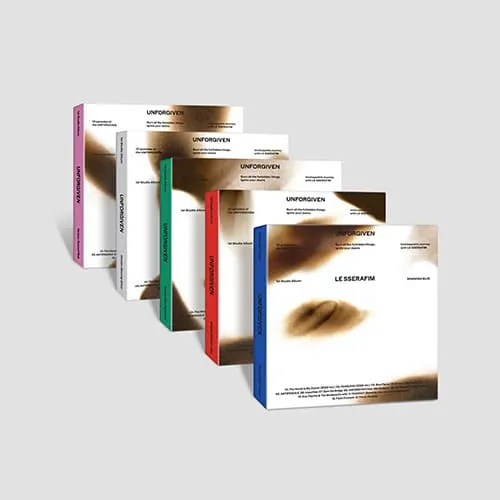
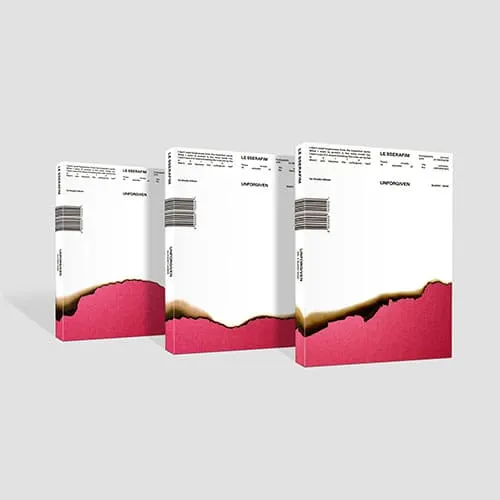
A new official album usually arrives under tight plastic wrap with thin, even seams. Many also carry a sticker on the wrap showing the version or the track list. Loose, wrinkled wrap with thick or scorched seams, or a sticker printed off-centre with smudged ink, points either to a copy or to an album that was opened and rewrapped. In both cases, the description new and sealed no longer holds.
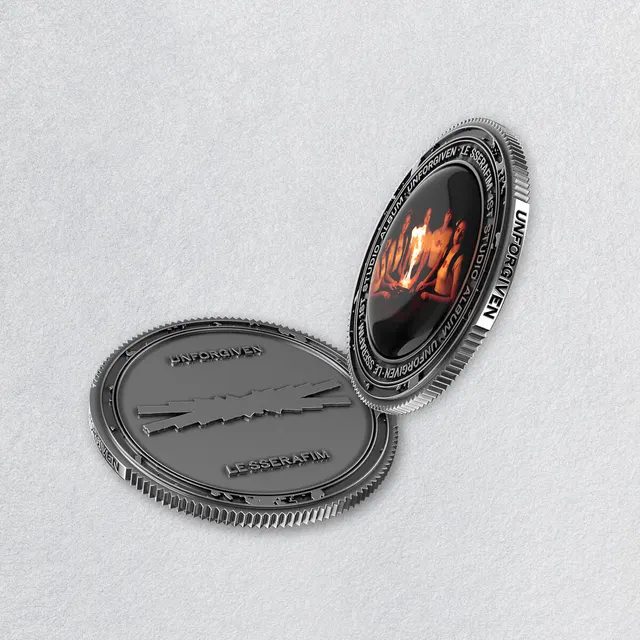
The box itself is judged by how it is made. Official cardboard is rigid, with clean corners and precise folds. Special finishes, such as spot varnish, embossing or foil, are crisp and line up with the artwork. A copy often flattens those effects into plain print, uses softer cardboard, or shifts the image slightly out of line with the die cuts.
- Tight wrap, thin seams: a good sign, not proof.
- Loose wrap or thick seams: possible copy, or a rewrapped album.
- Special finishes printed flat instead of raised: suspicious.
- Artwork out of line with the box cut-outs: suspicious.
The photobook up close
The photobook is the most expensive part to copy, so it is the most revealing. A copy is nearly always printed from scans or images found online. To the naked eye the photos look fine; under a magnifier or through a phone camera, fine details blur, edges turn mushy and a regular screen pattern shows in flat areas. Small text, credits and notices at the back of the book, is often the first thing to break down.
Paper and binding complete the check. An official photobook uses thick paper that stays consistent from page to page, with even colour across the whole book. A copy sometimes mixes paper weights, shows colours drifting from one section to the next, or has badly trimmed pages. A binding that cracks on first opening, or pages simply glued instead of neatly bound, adds to the doubt.

The CD, the barcode and the printed notices
The disc can be checked in seconds. An official CD is pressed in a factory: its playing side is silver and uniform, and the inner ring often carries engraved codes. A playing side tinted blue, green or purple means a burned disc, which official manufacturers do not use for an album. The printed side should be sharp and centred, with no colour running over the edge of the disc.
The barcode and the distribution notices complete the check. An official album carries an EAN barcode, usually on the back or on a sticker, along with the label name, the distributor name and manufacturing and rights notices. Albums published in Korea most often have an EAN starting with 880, the prefix assigned to South Korea. A barcode is easy to copy, so its presence proves nothing alone; its absence, or an EAN that matches no known version, is a strong signal.
Watch out for false alarms. Some official albums are released under licence in another country, with a different barcode, different notices and sometimes different packaging. A Japanese edition or a regional licensed edition is not a counterfeit. Before reaching a verdict, check which edition the copy claims to be, then compare it with the page for that exact edition.
- Silver, uniform playing side: a pressed disc.
- Bluish, greenish or purple playing side: a burned disc, suspicious.
- EAN missing or not found in the database: a strong signal.
- Licensed edition from another country: official, not a copy.
Missing inclusions and cross-checking with pocabase
The contents of the box are often what gives a copy away. A counterfeit reproduces the items that are easy to print and neglects the rest: no randomly drawn photocards, or the same one in every copy, where a genuine album leaves everyone hoping to pull their bias, no folded poster, a missing lyric booklet, special objects replaced by a plain print. An unsealed album can also be incomplete, but for another reason: someone kept part of the contents.
On pocabase, each album version shows its format, its EAN, its catalogue number and its list of inclusions, with quantities and random draws. Comparing the copy you received with that page answers most questions: does the EAN match, does the version exist under that name, are the items present the ones listed? A single gap can have an explanation; several gaps together are enough to ask the seller for a return.
Frequently asked questions
Is a cheaper album necessarily fake?
No. A sale, end-of-line stock or an unsealed album can explain a lower price. What should raise a flag is a very large gap with regular retailers, especially on a sold-out or much-wanted release. In that case, check the seller and ask for a photo of the actual copy before you pay.
What is the difference between an unofficial album and a counterfeit?
An unofficial album was never published by the label: a fan photobook, a compilation or a set put together by a seller. It is acceptable if it is presented as such. A counterfeit copies an official album and passes itself off as one. The seller's description is what makes the difference between the two.
Is an unsealed album genuine?
Yes, it is an official album that has already been opened. It may still be missing inclusions, especially the randomly drawn photocards. An honest listing states what is left in the box. The only problem case is an opened album rewrapped and sold as new, which misleads the buyer about its condition.
How do I check an album's barcode?
Note the EAN printed on the back or on the sticker, then look up the matching version on pocabase. The page shows the EAN and the catalogue number of each version. A missing or unknown code is a strong signal. A correct code is not enough on its own, because it is easy to copy: it has to be checked against the rest.
What should I do if the album I received looks fake?
Photograph the wrap, the box, the photobook, the playing side of the CD and the barcode before doing anything else. Compare them with the version page on pocabase, then contact the seller in writing with that evidence. On a marketplace, open a dispute within the stated deadline, attaching the photos and the list of differences you found. Between fans, going through a trusted middleman, a go-between who holds the payment until delivery, reduces that risk in advance.